

Information For Healthcare Professionals
The Lightning Process: A Brain-Mind-Body Training for Chronic Health Issues
Information for referring clinicians
This page provides an overview of the Lightning Process® to help clinicians understand the programme, the published evidence, and when referral may be appropriate.
Estimated reading time: 5 minutes
What is the Lightning Process®?
The Lightning Process (LP) is a brain-mind-body training programme that teaches people the skills to retrain how the brain and body respond to stress, symptoms and illness.
It uses a combination of education, gentle movement, mental exercises and mindfulness-based techniques to help individuals recognise unhelpful patterns and practise new responses that support improved nervous system regulation, confidence and function.
The approach is based on the principles of neuroplasticity — the brain’s ability to adapt and develop new patterns through practice and experience. Participants learn self-management strategies aimed at reducing the impact of symptoms and supporting a return to meaningful daily activities.
The Lightning Process is designed to complement medical care. It does not replace medical assessment, diagnosis or management, but provides an additional set of skills to support recovery and improved quality of life.
How it works
The Lightning Process training is run over 3 half-days in small groups, either in person or online over Zoom. Prior to engaging in the training seminar there is a 4-hour home study audio, followed by an application process conducted by a registered practitioner to assess suitability. After the 3-day seminar there is additional follow-up coaching support.
Read the summarised seminar protocol here.
For academics, read the breakdown of the full LP course content, concepts and mechanisms involved in the intervention here.

Health conditions that respond well to the Lightning Process®
People have used the LP to support recovery from a variety of chronic conditions including:
Long Covid
Chronic Fatigue Syndrome (CFS/ME)
Post-cancer fatigue
Fibromyalgia
Chronic pain
Complex Regional Pain Syndrome (CRPS)
Postural Orthostatic Tachycardia Syndrome (POTS)
Anxiety, depression, and other emotional health challenges
It is suitable for people who have been experiencing prolonged or recurring symptoms for more than 6 months. Many people who choose to learn the LP have previously been experiencing symptoms for years.
What outcomes does it aim to improve?
The research studies and patient reported benefits include:
Improvement in fatigue, increased energy and physical capability
Reduced intensity of symptoms
Reduced fear, avoidance of activity and hypervigilance
Improved confidence in doing daily tasks
A sense of agency after a long period of illness
Enhanced capacity to return to meaningful activities, such as exercise, socialising, or work.
Success in this programme depends on consistent application of the tools learned and an openness to engaging with the training process.
A 2025 study published in the Journal of Family Medicine and Primary Care evaluated the LP for Long COVID and found all participants made significant improvements. Over 90% of participants reported being 85% back to normal or more. It concluded:
“The Lightning Process is a promising and safe intervention for symptoms of long COVID.
Primary care clinicians can refer patients for treatment with a high chance of benefit without fear of harm.”
The Lightning Process® evidence base
What we know
There are 18 independently peer-reviewed published studies on the Lightning Process gathered over 27 years.
An RCT, run by the NHS and the University of Bristol, found the LP improved CFS/ME patients’ symptoms of physical function and fatigue and had no side effects, when added to NHS treatment for CFS/ME. The positive changes continued for the entire 12-month study.
A systematic review also identified an emerging body of evidence supporting the efficacy of the LP for many participants with fatigue, physical function, pain, anxiety and depression.
There is support from academics and medical professionals for the evidence-based research. Read here.
What remains uncertain
It is not a proven cure. The evidence base is emerging and further research is needed.
Clinical consideration
It may be considered as one option within a broader care plan.
It is not appropriate for everyone, and patient engagement is a key factor in outcomes.
Patient suitability for the Lightning Process®
This programme provides an option for people seeking recovery. It can be beneficial for people who:
Continue to experience persistent symptoms despite appropriate medical assessment and treatment.
Are seeking an alternative non-pharmacological approach alongside their usual healthcare.
Are motivated to take an active role in their health and wellbeing.
Are interested in learning science-based skills aimed at influencing the interaction between the brain, body, and nervous system.
Are willing to practise and apply the techniques consistently between and after training sessions.
Because the LP is a training, not a treatment, success in this programme depends on consistent application of the tools learned and an openness to engaging with the training process.
Who it is not suitable for
Research suggests the LP would be unlikely to help if the participant:
Does not think its possible to influence health through a training program
Does not recognise the link between the brain, mind and body could be used to improve symptoms
Has a medical diagnosis of active psychosis
Has a level of comprehension less than that of a six year old. Those with cognitive impairment would need to be assessed on a case-by-case basis.
As each case is different, we recommend the patient speaks with a practitioner so they can assess and advise the individual if it’s suitable for them or not.
Referral guidance
The Lightning Process® is a privately delivered programme and does not require a medical referral or involve Medicare funding.
Patients can self-refer by contacting a registered Lightning Process practitioner to arrange an initial discussion and determine whether the programme is appropriate for them.
Lightning Process Practitioner credentials
Lightning Process practitioners must complete a minimum of 13 months of intensive clinical training at the Phil Parker Training Institute.
Before being accepted into the specialised LP training, practitioners must already hold prerequisite qualifications including a Clinical Diploma and Master Practitioner Certification in NLP, Coaching and Clinical Hypnotherapy. Advanced practitioners have additional training in applied neuroanatomy, neuro-physiology, and working with complex issues like trauma and inner conflict
To maintain their country specific licence and stay on the official Lightning Process Register, practitioners are required to engage in continuing professional development (CPD), attend regular professional supervision sessions and abide by a strict professional code of conduct.
Contact details
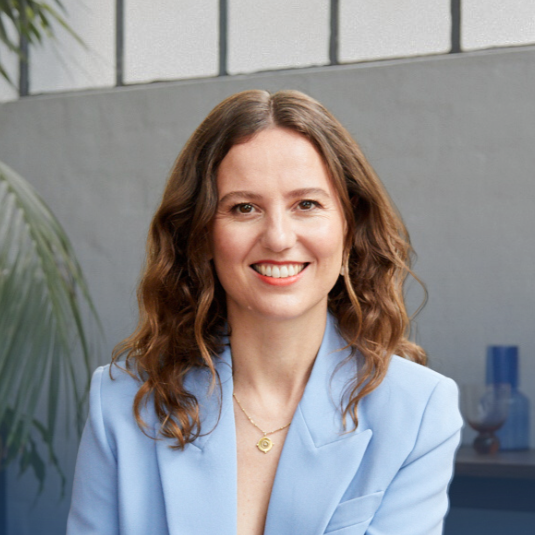
Liz Allen is an Advanced Lightning Process practitioner based in Sydney, Australia. She originally learned the Lightning Process as a patient to fully recover from Chronic Fatigue.
Liz retrained as a practitioner to help others reclaim their health and now delivers the Lightning Process face to face in Sydney, and online across Australia and the USA.
If you would discuss this approach for your patient, contact Liz Allen here.